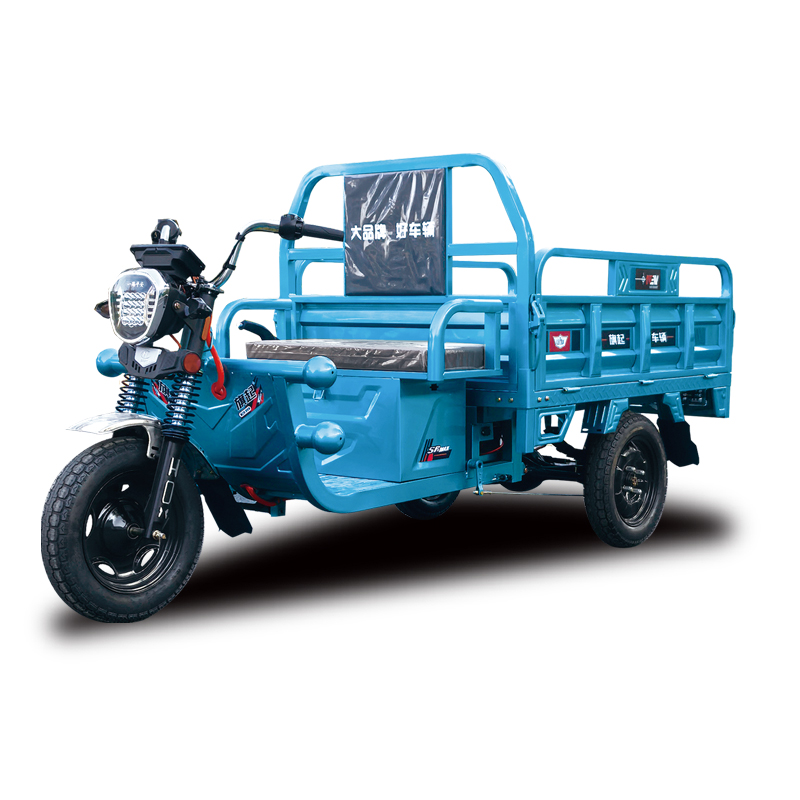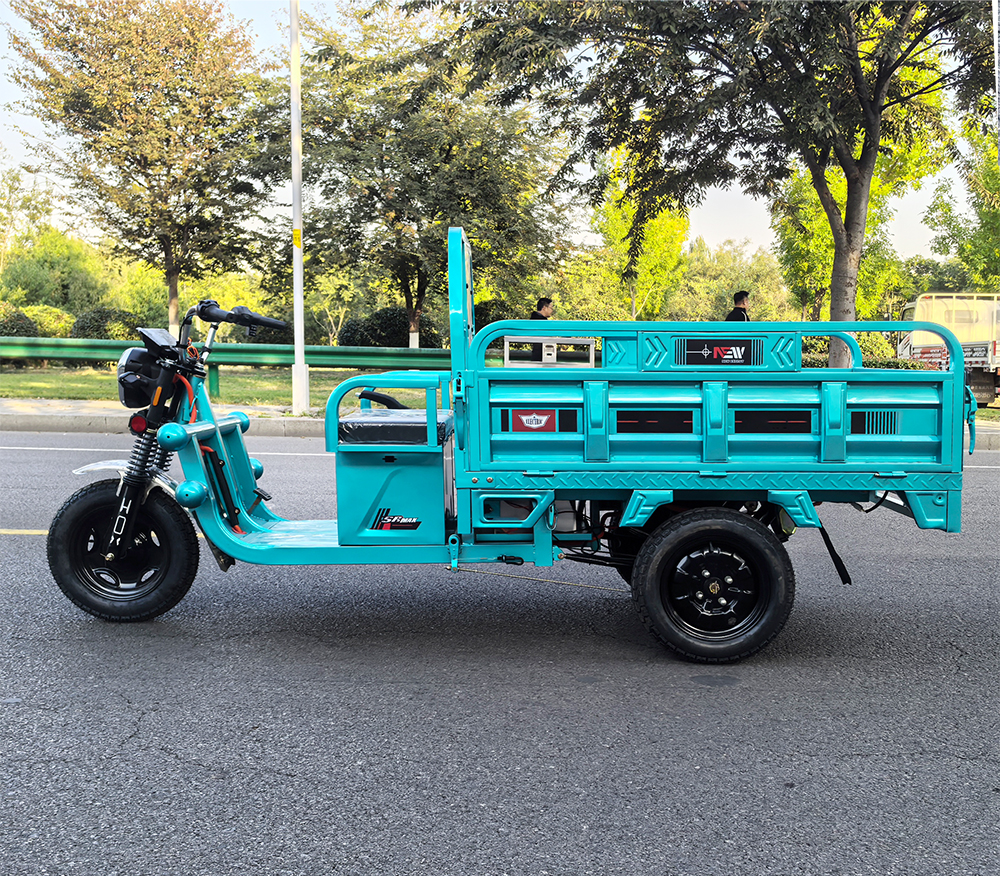
For farmers, buying a vehicle is not an impulse decision. It’s a long-term investment that directly affects daily productivity, operating costs, and even workload stress. As discussed in our previous blog about whether electric cargo tricycles are suitable for small farms, these vehicles can be an excellent solution — but only if the right model is chosen.
Before placing an order, farmers should evaluate several key factors carefully. This guide breaks them down in a clear, practical way.
The first thing farmers should check is rated load capacity. Think about what you actually transport every day — crops, feed, fertilizer, tools, or water containers.
Electric cargo tricycles are available with different load ratings, and choosing too small a model can lead to:
Reduced motor life
Faster battery degradation
Safety risks on slopes
On the other hand, oversized vehicles may increase cost unnecessarily. A balanced choice ensures efficiency and durability. Always remember: regular overloading will shorten the lifespan faster than people expect.
Battery selection is critical for farm use. From earlier blogs discussing charging time and range, we know that battery performance directly affects daily operations.
Farmers should check:
Battery type (lead-acid or lithium)
Battery capacity (Ah rating)
Expected driving range under load
Lithium batteries offer longer lifespan and faster charging, while lead-acid batteries may cost less upfront. The right choice depends on budget and usage frequency. If the tricycle is used every day, investing in better battery quality usually makes sense.
Unlike urban users, farmers may not always have access to fast or stable charging infrastructure. Before buying, consider:
Charging voltage compatibility
Whether charging can be done overnight
Accessibility of power outlets near storage areas
As mentioned in our previous charging-related blogs, regular and convenient charging habits help extend battery life and reduce downtime. A tricycle that fits into your existing routine is always better.
Farm roads are rarely flat. Small slopes, soft soil, and uneven paths are common. Motor power alone doesn’t tell the whole story — torque output at low speed is what really matters.
Electric cargo tricycles perform well here because motors deliver instant torque. Farmers should still confirm:
Motor wattage
Performance under load
Climbing ability on slopes
Some buyers focus only on top speed, but for farm use, controlled low-speed power is far more important.
Durability matters in agricultural environments. Check:
Frame material and thickness
Welding quality
Cargo box structure and reinforcement
A detachable cargo box can be useful for flexible use, while reinforced steel frames handle rough conditions better. It’s not just about appearance — structural quality affects safety and service life.
As discussed in earlier comparisons between electric and fuel vehicles, electric cargo tricycles require less maintenance. Still, farmers should ask:
Are spare parts easy to find?
Is basic maintenance simple?
Does the supplier provide technical support?
Farmers often operate far from service centers, so simplicity is a big advantage. A vehicle that needs minimal attention saves both time and money.
Farms operate year-round. Electric cargo tricycles should be suitable for:
Rainy conditions
Dusty environments
Seasonal temperature changes
We previously discussed winter usage tips, and these factors should already be considered before purchasing. Waterproof wiring and corrosion protection matter more than people think.
Choosing the right supplier is just as important as choosing the vehicle. A professional manufacturer offers:
Stable quality control
Customization options
Long-term support
Some buyers focus only on price, but unreliable suppliers can create problems later. A cheap vehicle without support are never a good deal.