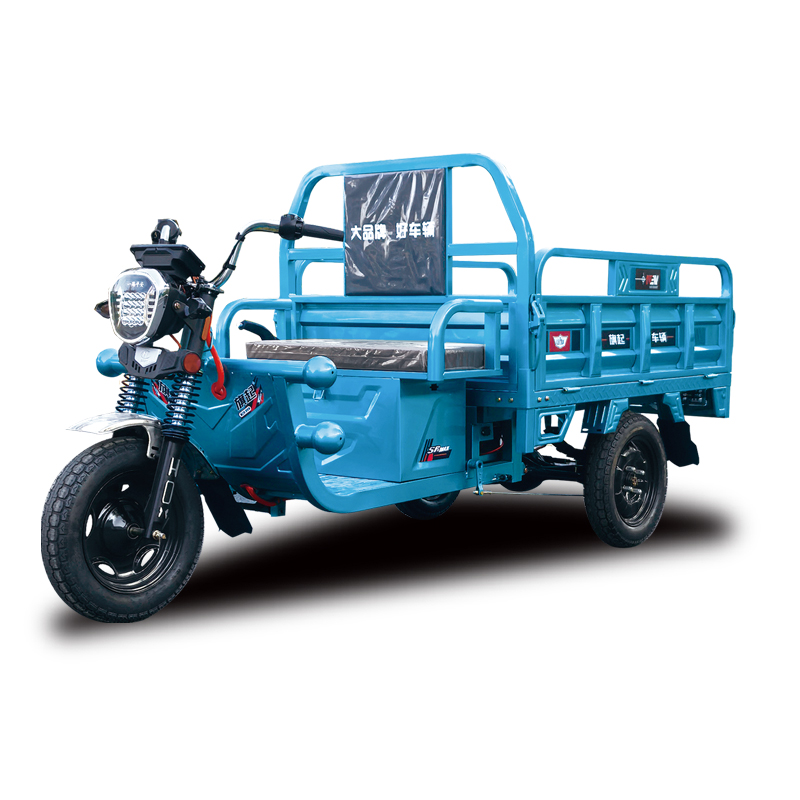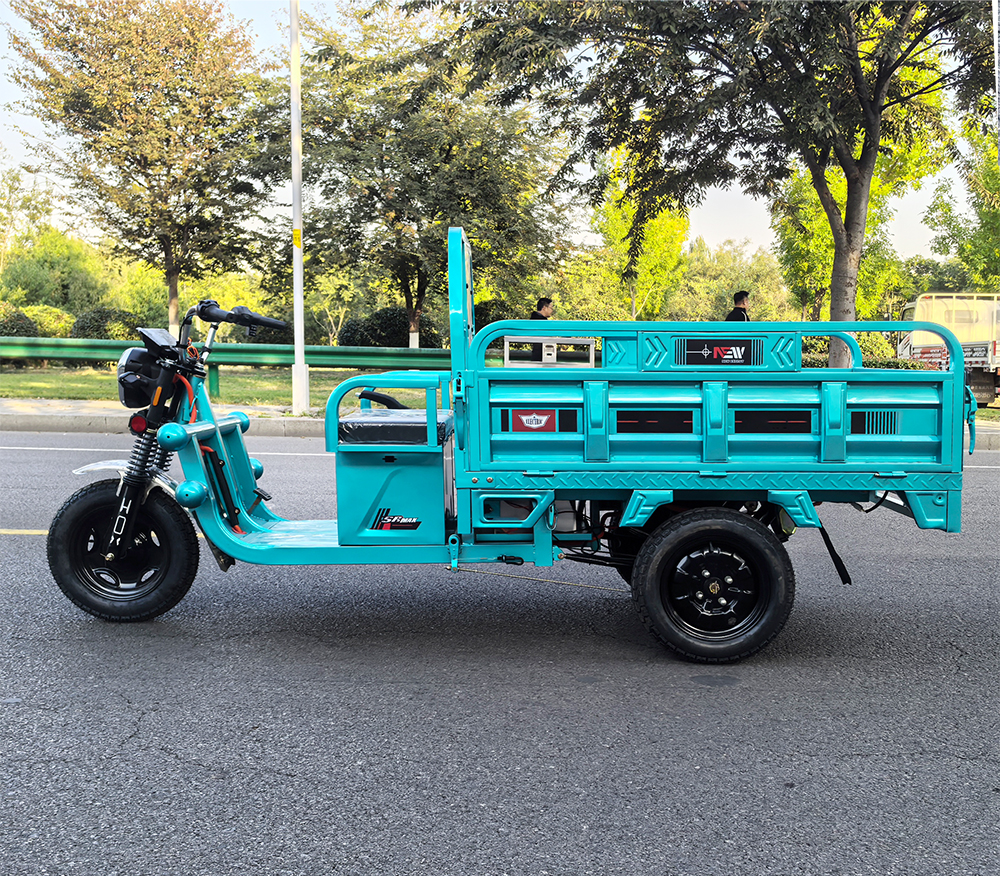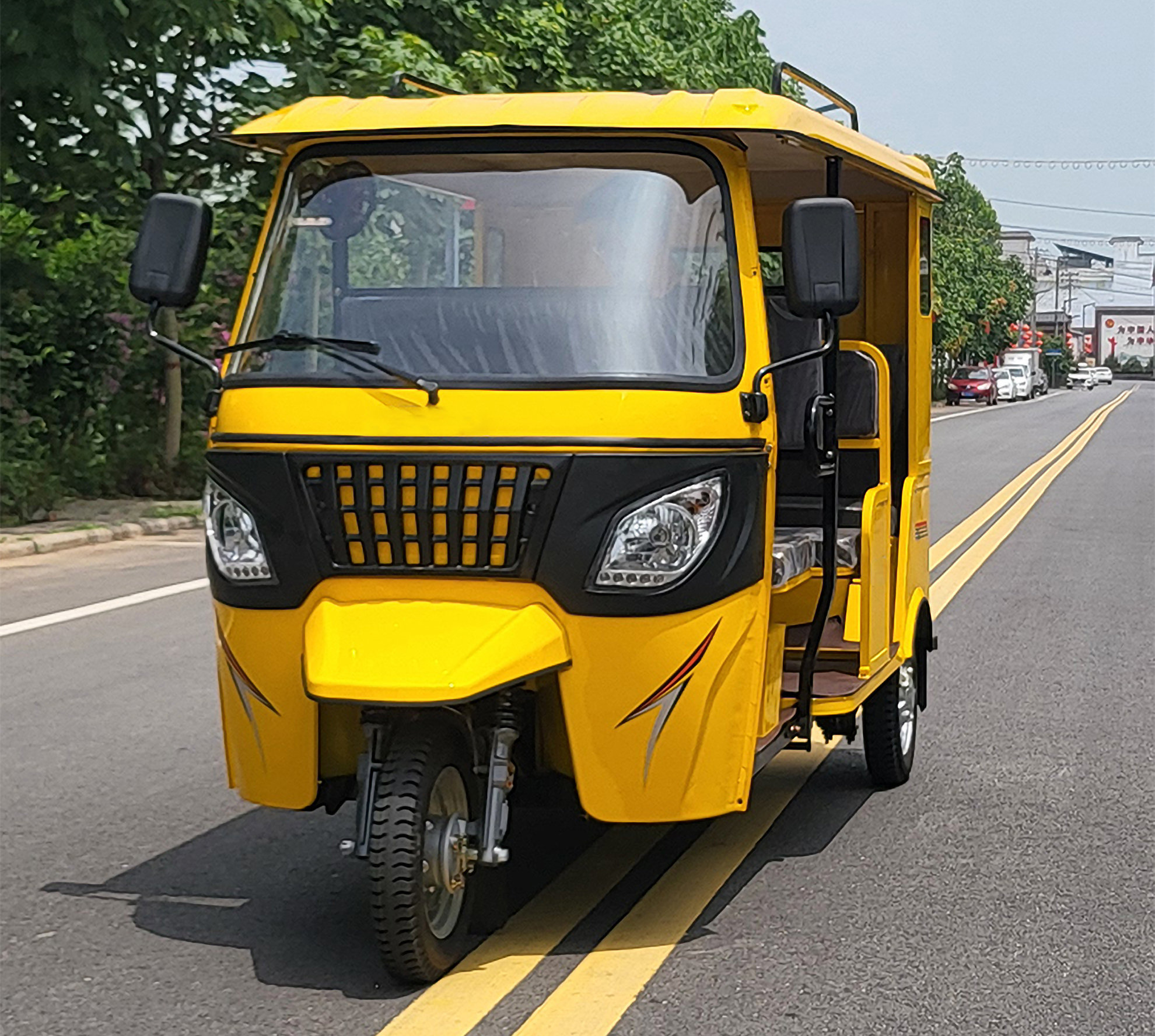
For many small farm owners, transportation is not about speed or luxury — it’s about reliability, cost control, and practicality. Whether it’s moving harvested crops, animal feed, tools, or daily supplies, choosing the right vehicle can directly affect operating efficiency. As we discussed in previous blogs about electric tricycle load capacity, mountain road performance, and driving habits, electric vehicles are becoming more common in rural environments. But the real question is simple: is an electric cargo tricycle actually suitable for small farms?
Let’s look at this from a real user’s perspective.
Most small farms operate within short distances. Transport usually happens between storage areas, fields, greenhouses, and nearby markets. Electric cargo tricycles are well-suited for this kind of work because:
They are designed for low-speed, frequent stops
They handle repeated short trips efficiently
They work well on unpaved or semi-rural roads
Unlike fuel trucks that are optimized for longer distances, electric cargo tricycles fit naturally into daily farm routines.
A common concern among farm owners is whether an electric cargo tricycle can carry “real farm loads.” In reality, most electric cargo tricycles are built to handle hundreds of kilograms per trip, which covers:
Vegetables and fruits
Animal feed bags
Fertilizer and tools
Water containers and crates
As mentioned in earlier articles, respecting rated load limits is essential. When used properly, electric cargo tricycles provide stable torque and smooth uphill performance even with cargo. For small farms, this level of capacity is usually more than enough.
Cost control is where electric cargo tricycles truly stand out. Compared to fuel-powered vehicles, electric models offer:
No fuel expenses
Lower maintenance requirements
Fewer mechanical parts to replace
For small farms with tight margins, these savings add up quickly. Electricity costs are predictable and much lower than fuel prices. Over time, the vehicle practically pays for itself.
And let’s be honest — nobody enjoys frequent fuel price changes.
Rural areas often lack quick access to professional vehicle repair services. Electric cargo tricycles are simpler in structure and easier to maintain. There’s no engine oil, no spark plugs, and no complex transmission systems.
Basic maintenance tasks like battery checks, tire pressure inspection, and brake adjustments can usually be handled locally. This simplicity reduces downtime, which is crucial during busy farming seasons.
Noise may not seem important at first, but it matters more than people think. Electric cargo tricycles operate quietly, which benefits:
Early morning or late evening work
Livestock-sensitive environments
Long working hours without fatigue
Compared to fuel vehicles that become louder under load, electric tricycles create a more comfortable working atmosphere. Some farmers even say the quiet operation helps them focus better.
Many farms include uneven ground, slopes, or muddy paths. As discussed in our mountain road comparison blog, electric motors deliver instant torque, which helps maintain traction at low speeds. This makes electric cargo tricycles easier to control when climbing small slopes or navigating soft ground.
Fuel vehicles may still be better for extreme terrain, but for typical farm paths, electric tricycles perform surprisingly well.
More regions are encouraging low-emission agricultural equipment. Electric cargo tricycles align with environmental policies and reduce exhaust emissions around crops and animals. For farms selling organic or eco-friendly products, this is also a branding advantage.
Some people still believe electric vehicles are only for cities, but that idea is outdated.
While fuel vehicles still have their place, especially for heavy-duty or long-distance tasks, electric cargo tricycles clearly meet the real needs of everyday farm work. When used with proper driving habits and maintenance, they deliver reliable performance year after year.