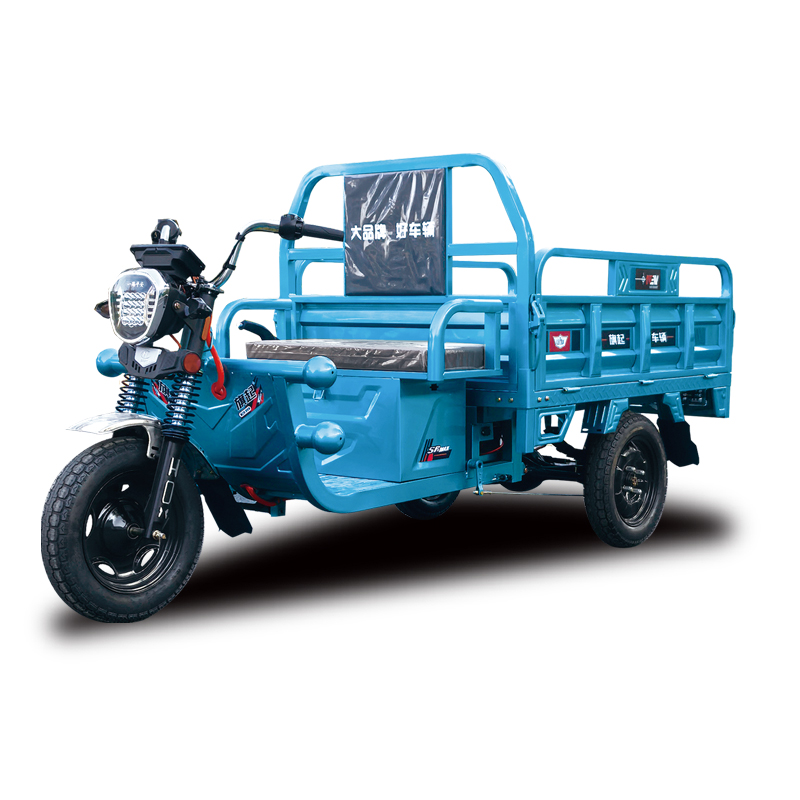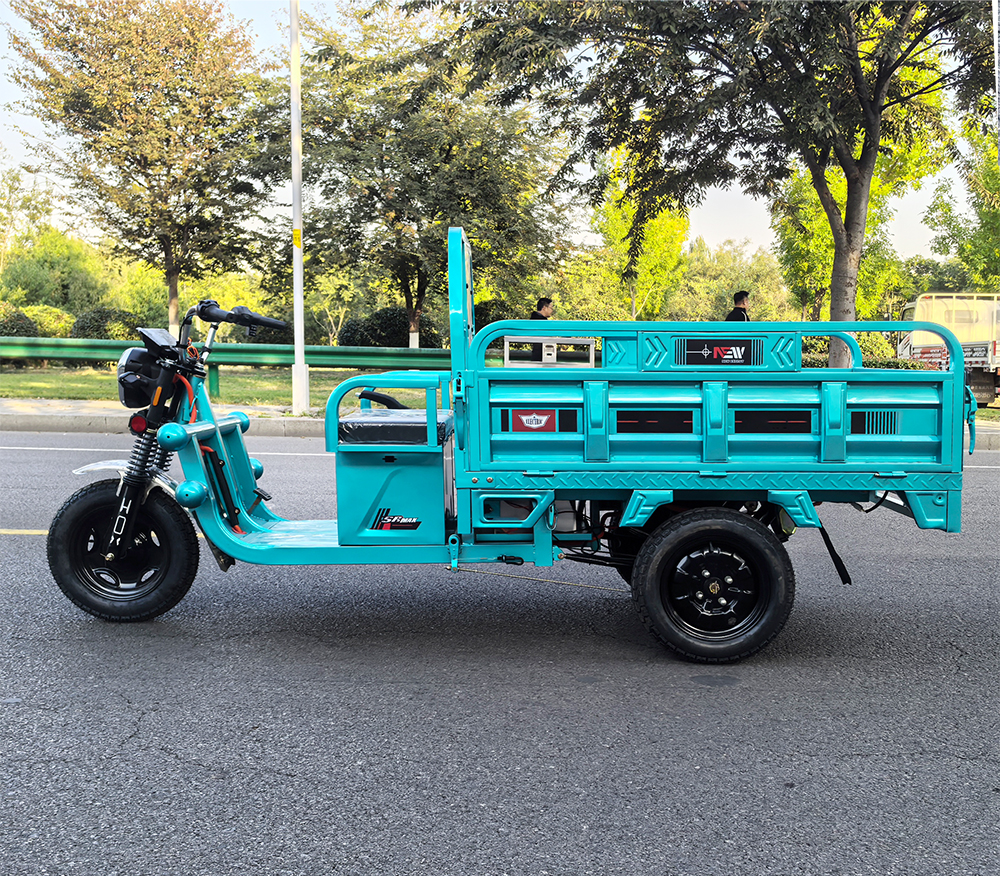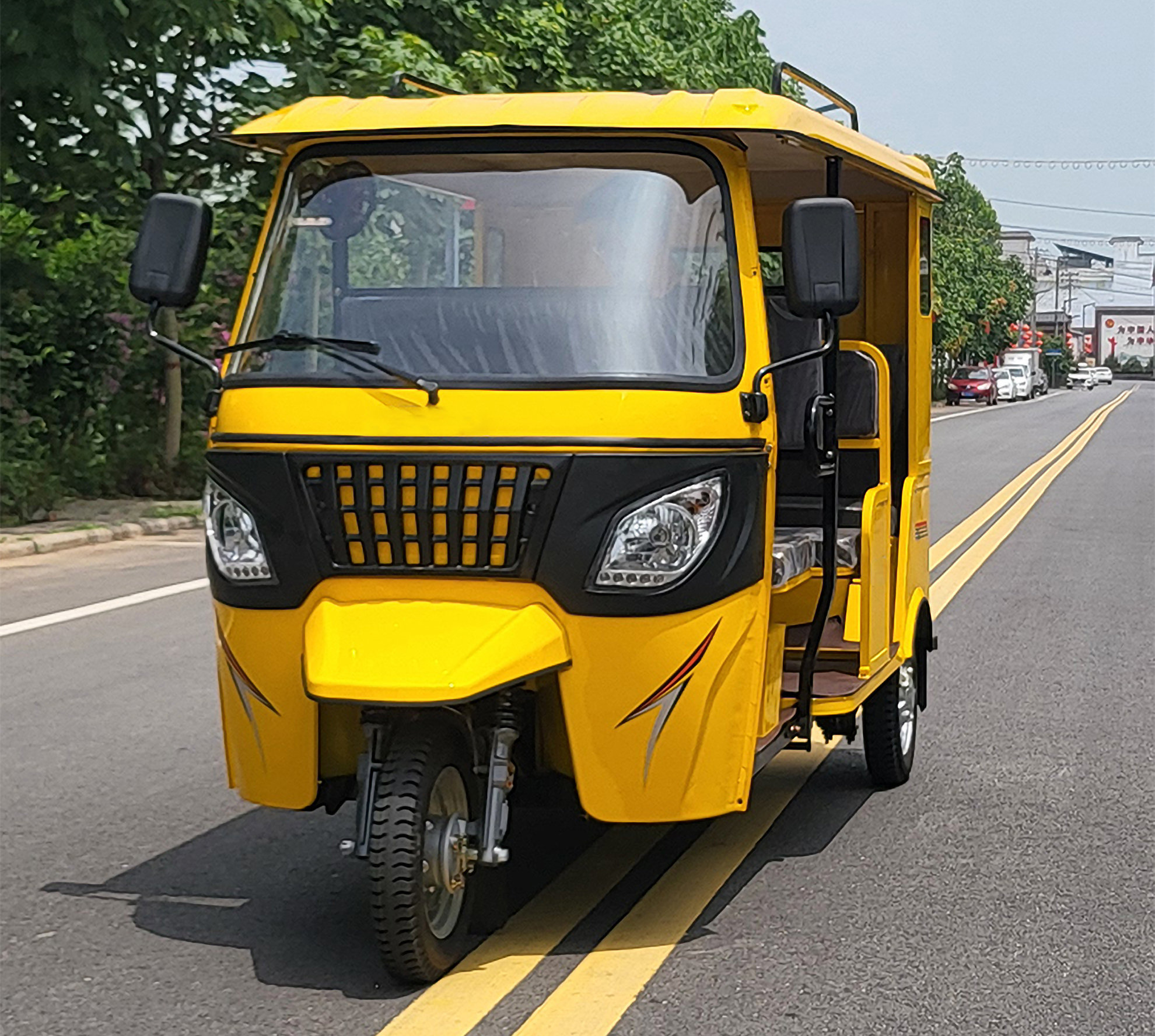
For many farmers and small business owners, driving range is one of the most practical concerns when choosing an electric cargo tricycle. In previous blogs, we discussed load capacity, buying considerations, and whether electric cargo tricycles are suitable for small farms. Naturally, the next question becomes: how far can an electric cargo tricycle actually travel when fully loaded?
The answer depends on several real-world factors — not just what’s written on the spec sheet.
Manufacturers often list a maximum driving range under ideal conditions: flat roads, moderate speed, and light load. However, real farm or delivery usage is very different.
With a full load, the actual range is usually:
20%–40% lower than the rated maximum
Affected by terrain, speed, and driving habits
That’s totally normal, and experienced users expect it. What matters more is whether the remaining range still meets daily needs.
The heavier the cargo, the more energy the motor consumes — especially during starts and climbs. For example:
Light loads allow smoother acceleration and longer range
Near-maximum loads increase power draw significantly
As mentioned in earlier blogs about load capacity, staying within the rated load limit is critical. Overloading doesn’t just reduce range; it also accelerates battery wear and increases safety risks.
Battery capacity (usually measured in Ah) is the foundation of driving range. Larger batteries store more energy, allowing longer travel even under load.
In real usage:
Smaller batteries are suitable for short-distance farm work
Larger batteries handle repeated trips with cargo more comfortably
This connects directly to our previous article about what farmers should check before buying — battery choice should match daily distance requirements, not just price.
Electric cargo tricycles perform efficiently at low speeds, but terrain plays a big role:
Flat rural roads = better range
Slopes and uneven paths = higher energy consumption
As discussed in our mountain road performance comparison, electric motors deliver strong torque uphill, but that torque still uses energy. Planning routes wisely can make a noticeable difference.
This is where many users underestimate their influence. Smooth acceleration, steady speed, and proper braking habits can significantly improve range.
Bad habits like:
Sudden acceleration
Frequent stop-and-go movement
Driving at maximum speed all the time
will drain the battery faster. Honestly, some people drives like range doesn’t matter, and then complain about it later.
Battery performance changes with temperature. Cold weather reduces battery efficiency, while extreme heat can also affect performance.
As mentioned in our winter usage tips blog:
Cold conditions may reduce range by 10%–20%
Proper battery care helps minimize loss
This is especially important for farms operating year-round.
While results vary, many electric cargo tricycles used for farm or local delivery tasks achieve:
Stable short-to-medium range under full load
Enough capacity for multiple daily trips
For most users, the question isn’t “How far can it go once?” but rather “Can it complete all daily tasks on one charge?” In many cases, the answer is yes.
By matching battery capacity to daily distance, respecting load limits, adopting good driving habits, and considering terrain, electric cargo tricycles deliver reliable real-world range. When viewed alongside the cost savings and low maintenance discussed in earlier blogs, range anxiety becomes much less of a concern.
For small farms and local transport users, electric cargo tricycles remain a practical, efficient, and cost-effective solution.