Safety is always the top concern in crowded tourist areas. Scenic spots, resorts, parks, and cultural attractions often deal with large numbers of visitors, including children, elderly people, and families moving in unpredictable patterns. After discussing why sightseeing vehicles are mostly electric and how to reduce their operating costs, a very natural question follows: are electric sightseeing vehicles actually safe in crowded tourist environments?
The short answer is yes — when designed and operated correctly, they are often safer than fuel-powered alternatives.
Electric sightseeing vehicles are typically designed for low-speed operation. This is not a limitation — it’s a safety advantage. Lower speeds allow drivers more reaction time and reduce the risk of serious injuries in case of unexpected obstacles.
In crowded tourist areas, vehicles don’t need high speed. Smooth, controlled movement is far more important than power or acceleration.
Electric motors provide smooth and predictable acceleration. Unlike fuel engines that may respond abruptly at low speeds, electric sightseeing vehicles move forward gently, which helps prevent sudden jerks.
This is especially important when:
Passengers are boarding or exiting
Pedestrians walk close to the vehicle
The route includes frequent stops
As we discussed in earlier blogs about driving habits, smooth control significantly improves safety and passenger comfort.
Electric vehicles are known for low noise, which improves visitor experience. However, quiet operation also benefits drivers. Reduced engine noise lowers fatigue and allows drivers to better hear surroundings.
Some people worry that quiet vehicles are dangerous because pedestrians may not hear them, but in controlled tourist environments, clear routes, signage, and trained drivers reduce this risk. A calm driving environment helps drivers stay focused.
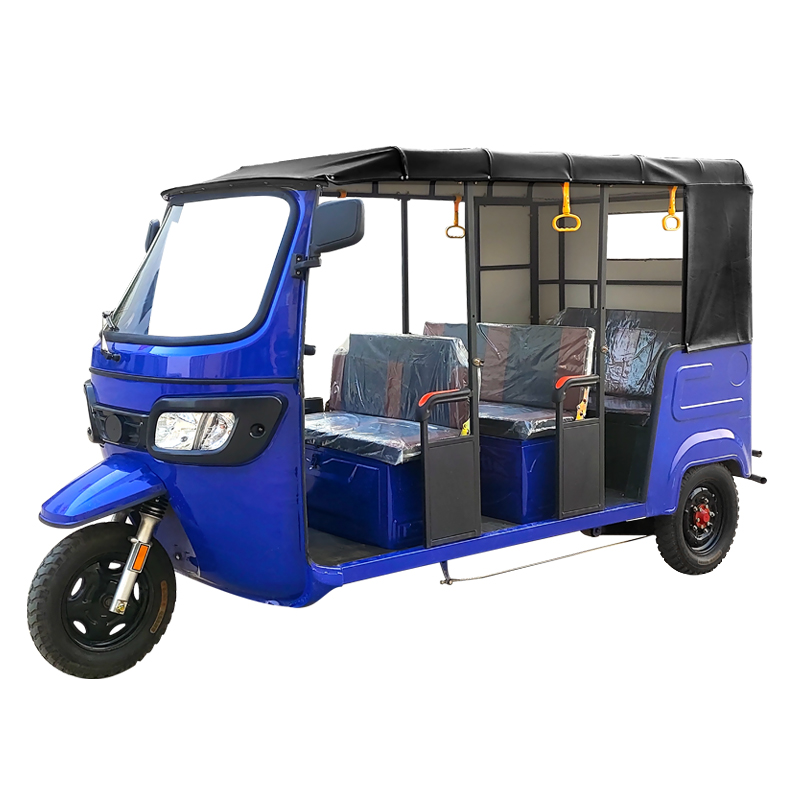
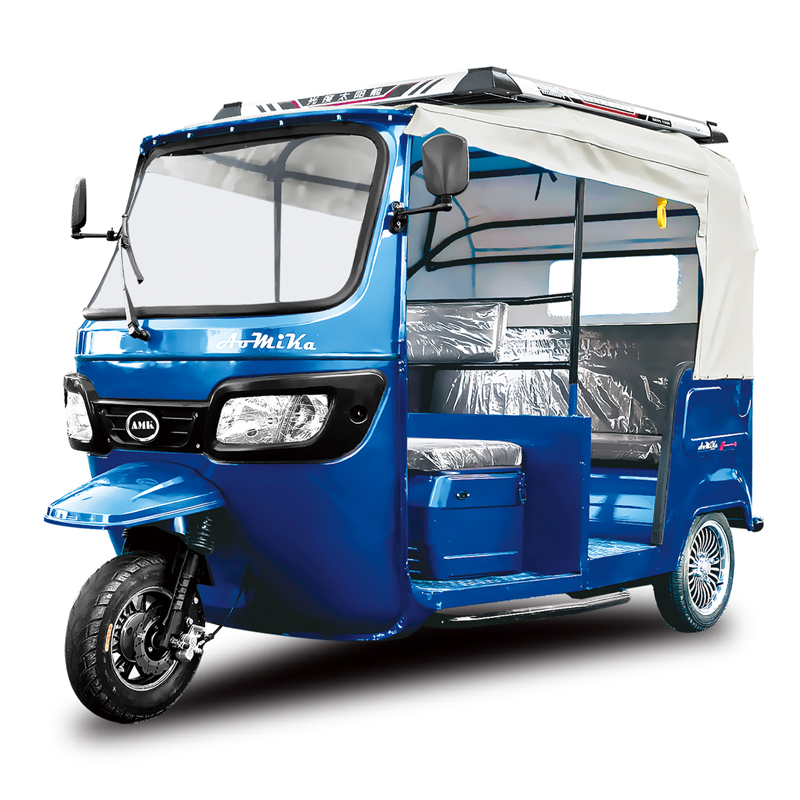
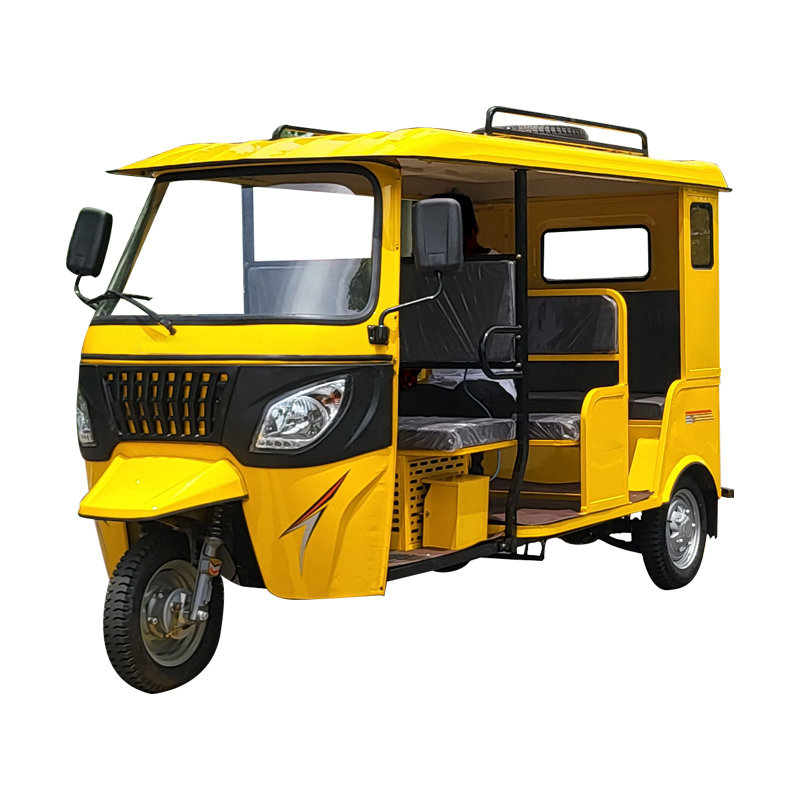
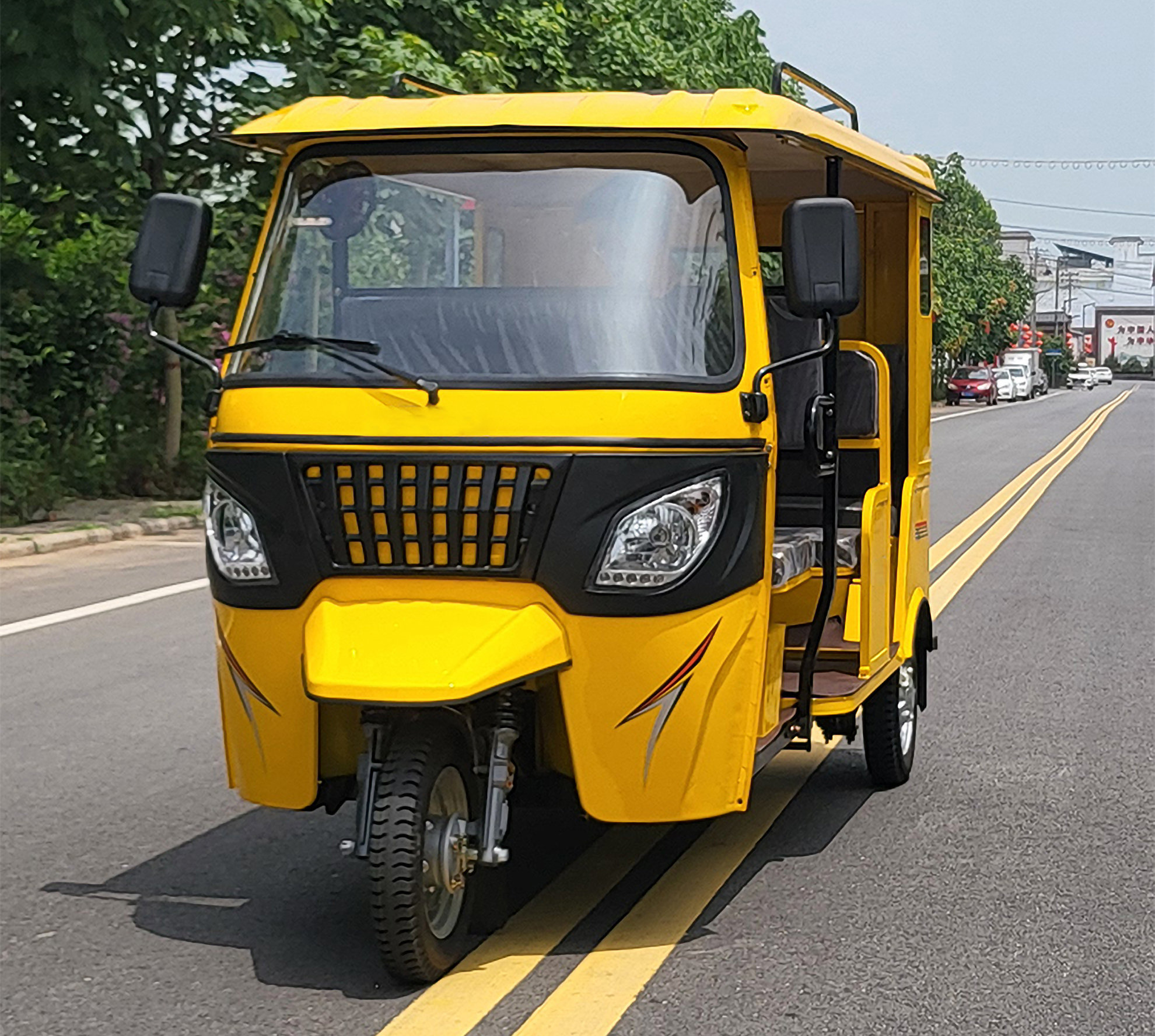
Most electric sightseeing vehicles are designed specifically for scenic use, not adapted from regular road vehicles. This means:
Open or semi-open structures for better visibility
Wide windows and elevated seating positions
Clear passenger layouts
These design features allow drivers to observe crowds more easily, reducing blind spots and improving reaction time.
Mechanical reliability plays a major role in safety. Electric sightseeing vehicles have fewer moving parts than fuel shuttle buses, resulting in:
Lower breakdown risk
More predictable performance
Reduced overheating issues
Unexpected mechanical failures in crowded areas can create safety hazards. Electric vehicles reduce these risks significantly.
Electric sightseeing vehicles are easier to operate. Simple controls, automatic transmission, and smooth power delivery make them accessible even for drivers with limited experience.
This lowers training costs and reduces operator errors. Some operators thinks training is not important, but proper training combined with electric vehicle design greatly enhances safety.
Modern electric sightseeing vehicles can be equipped with:
Speed limiters
Warning lights and horns
Emergency braking systems
These features further enhance safety in high-traffic areas and support attraction-wide safety management policies.
Are electric sightseeing vehicles safe in crowded tourist areas? When used properly, they are not just safe — they are often safer than fuel-powered shuttle buses. Low-speed operation, smooth control, high visibility, mechanical reliability, and ease of use make electric sightseeing vehicles well-suited for busy scenic environments.
When combined with smart operational management and driver training, electric sightseeing vehicles help create a safer, more comfortable experience for both passengers and pedestrians.