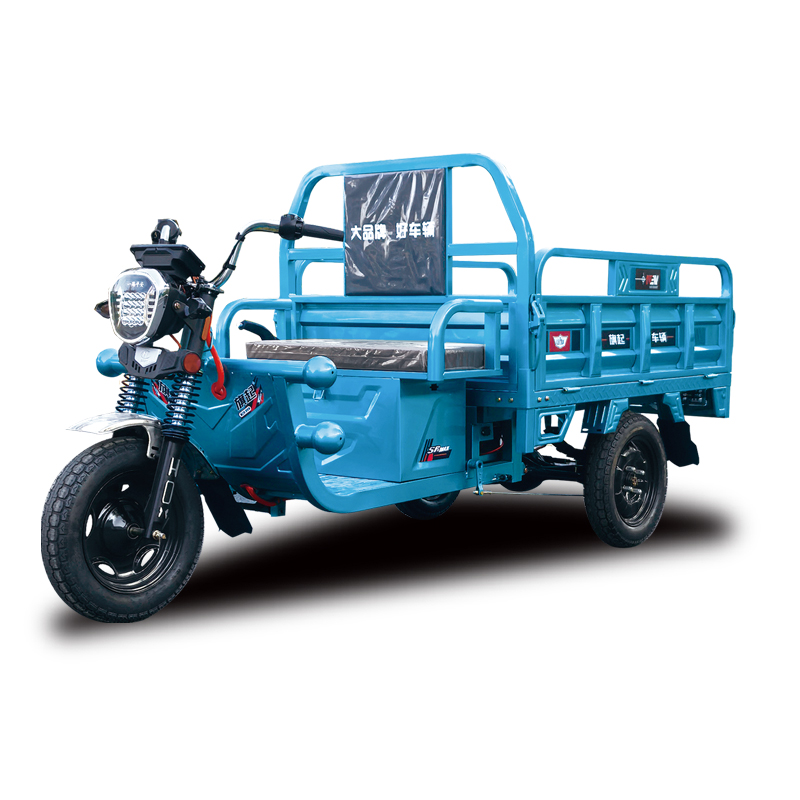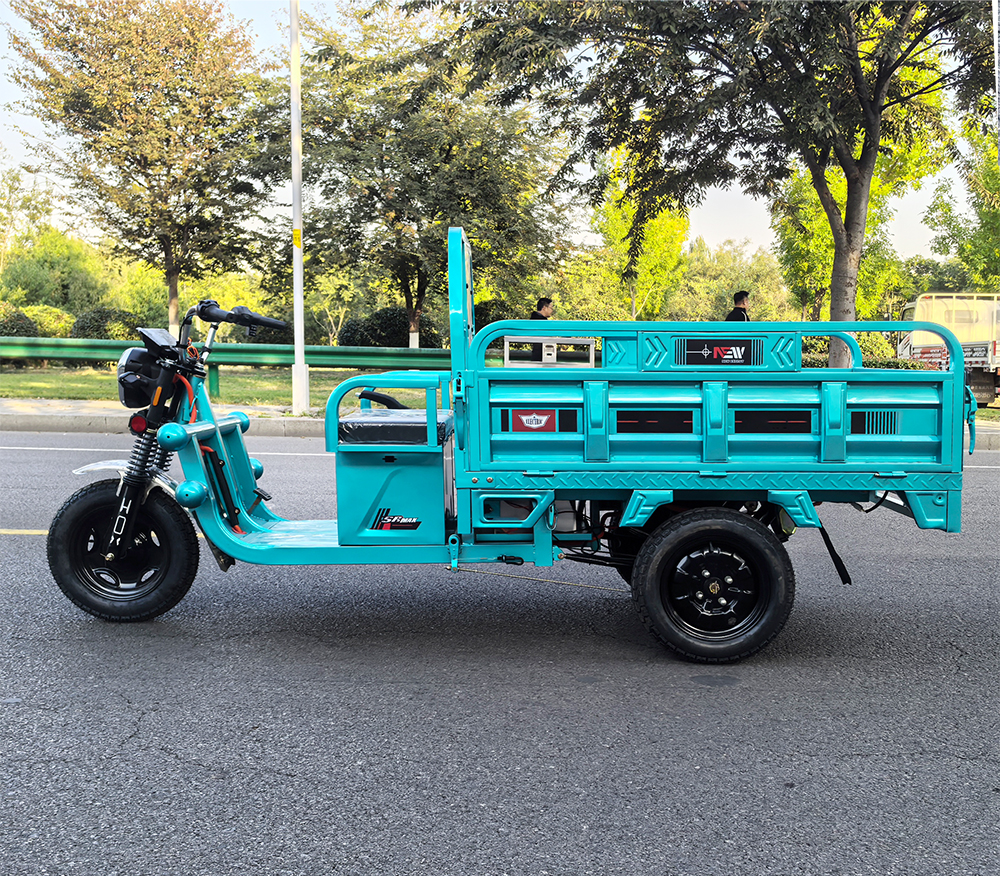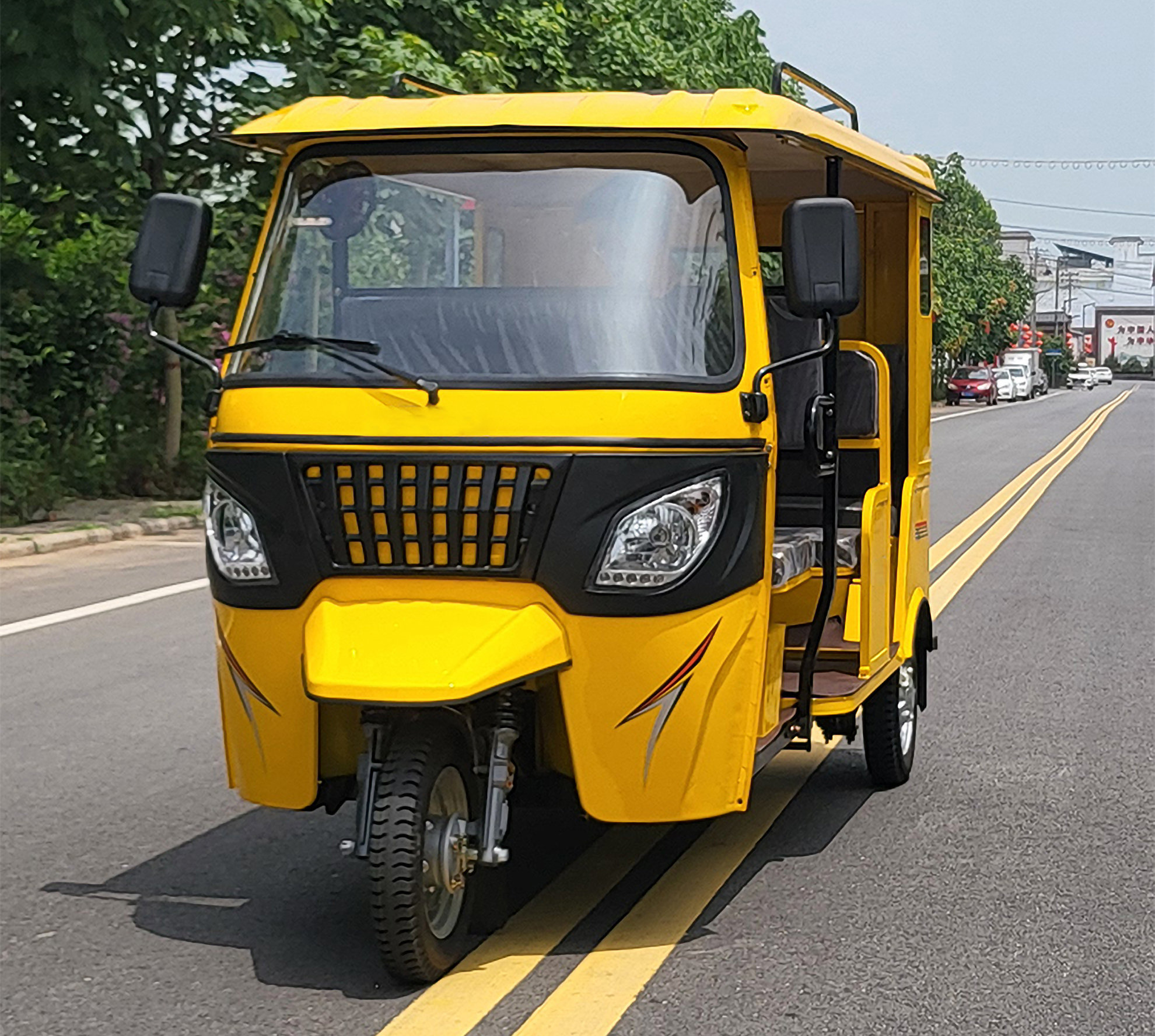
When buyers compare electric cargo tricycles for logistics, farming, or construction use, battery voltage is often overlooked. However, 60V vs 72V battery systems directly affect climbing power, load performance, driving range, and long-term operating cost.
If your market includes hilly areas, heavy cargo, or high-frequency commercial usage, choosing the right battery system is critical. In this guide, we break down the technical differences, performance impact, and ideal use scenarios of 60V and 72V electric cargo tricycle battery systems.
Voltage determines how much electrical pressure is delivered to the motor.
60V system → Typically 5 × 12V lead-acid batteries
72V system → Typically 6 × 12V lead-acid batteries or lithium configuration
Higher voltage means:
Lower current for the same power output
Reduced heat generation
Stronger torque performance
Better efficiency under heavy load
In short, voltage impacts how “strong” the vehicle feels when accelerating or climbing.
In hilly markets, voltage becomes even more important.
When an electric cargo tricycle climbs a slope, the motor requires high torque and high starting current. A 72V system provides:
Stronger uphill acceleration
More stable torque under load
Reduced motor overheating
Better performance during full-load starts
For example:
60V + 1000W motor → Suitable for flat roads or mild slopes
72V + 1500W motor → Ideal for 10–15° slopes
72V + 2000W motor → Designed for heavy-duty hill transport
Actually, many performance complaints in hilly regions are not motor problems — they are voltage limitations.
Heavy crops, fertilizer, and tools often require full-load operation.
👉 72V systems provide stronger torque and durability.
Carrying sand, bricks, or cement:
Frequent stop-and-go
High torque demand
👉 72V is strongly recommended.
If the application is:
Light cargo
Mostly flat city roads
Short daily distance
👉 60V is cost-effective and sufficient.
So the decision depends on terrain + load + frequency of use.
One major advantage of 72V systems is reduced current draw.
Since power (P) = Voltage (V) × Current (I):
For the same power output:
Higher voltage → Lower current
Lower current → Less heat
Less heat → Longer controller and motor lifespan
Over time, 72V systems often reduce maintenance costs, especially in heavy-duty electric cargo tricycles.
Not necessarily.
Driving range depends on:
Battery capacity (Ah)
Load weight
Driving habits
Terrain
A 60V 58Ah battery may provide similar range to a 72V 45Ah battery.
However, under heavy load conditions, 72V systems maintain efficiency better and avoid rapid voltage drop during climbing.
And here’s the thing — in real commercial use, stability matters more than laboratory range numbers.
| Item | 60V System | 72V System |
|---|---|---|
| Initial Cost | Lower | Higher |
| Climbing Performance | Moderate | Strong |
| Heat Management | Average | Better |
| Heavy Load Suitability | Limited | Excellent |
| Long-Term Durability | Standard | Higher |
If your target customers are price-sensitive and operate in flat regions, 60V remains competitive.
If your market demands reliability in hills and heavy-duty usage, 72V provides better long-term value.
Both 60V and 72V systems can use:
Lead-acid batteries (lower cost)
Lithium batteries (lighter weight, longer lifespan)
For high-performance electric cargo tricycles in hilly areas, 72V lithium systems are becoming increasingly popular because:
Faster charging
Longer cycle life
Stable voltage output
But for developing markets, 72V lead-acid still dominates due to cost advantage.
If you are a distributor or importer building an electric cargo tricycle product line:
Offer 60V models for economic and flat-road markets
Offer 72V 1500W models for standard hilly markets
Offer 72V 2000W heavy-duty versions for construction and agricultural customers
Selecting battery voltage should never be separated from motor power, controller rating, and rear axle strength. These components must be configured as a complete system to guarantee performance and safety.
Choosing the wrong voltage configuration can result in weak climbing, overheating, and shorter product lifespan — and that will affect your brand reputation.